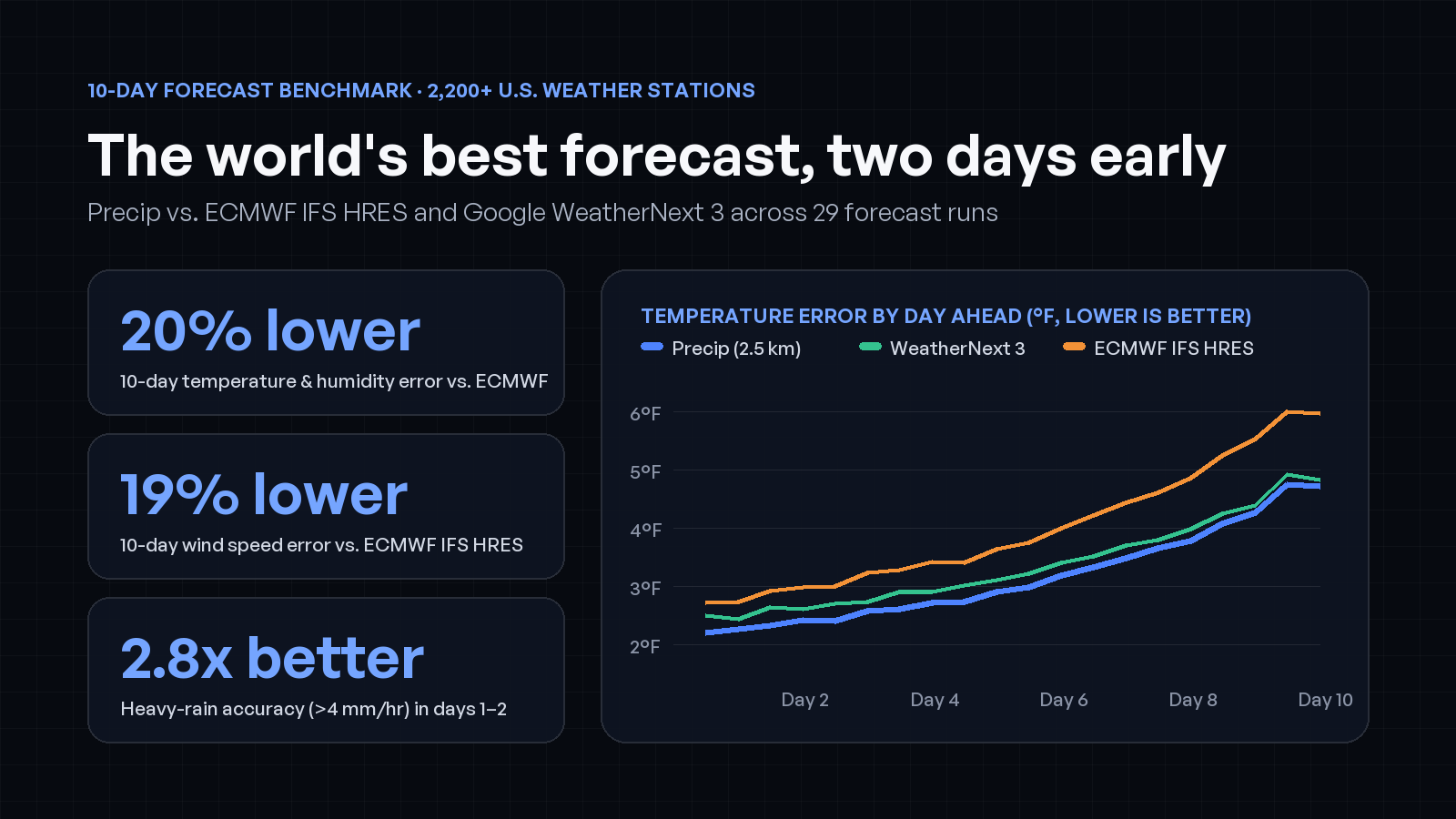
Getting the world's best 10-day forecast two days early
How 2.5 km terrain downscaling and a multi-model rain blend beat ECMWF IFS HRES and raw Google WeatherNext 3 across 2,200+ U.S. weather stations.
Precip Blog
Benchmarks, weather science, and product updates from the team building Precip.
How 2.5 km terrain downscaling and a multi-model rain blend beat ECMWF IFS HRES and raw Google WeatherNext 3 across 2,200+ U.S. weather stations.

Connect Precip to Claude, ChatGPT, Grok, Muse, or anything else that speaks MCP.
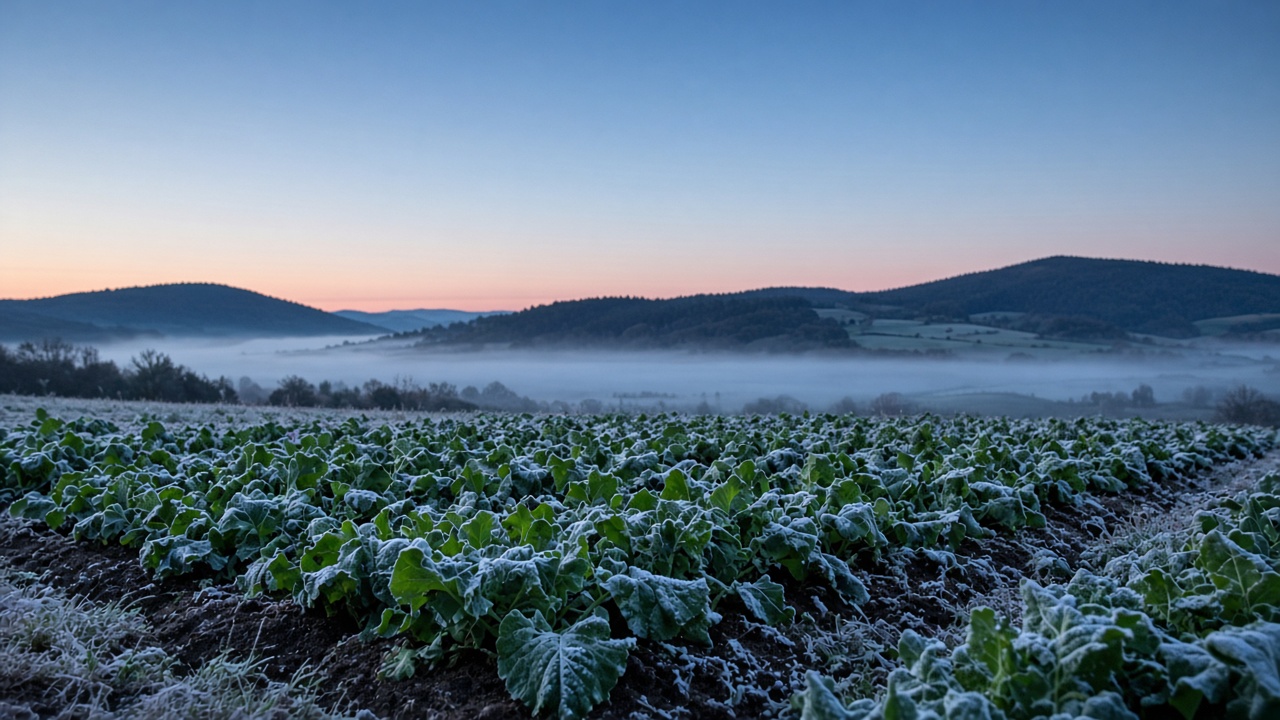
The forecast temperature is not always the temperature at ground level.

Fruiting follows rain and soil warmth. Check both at the woods you actually hunt.
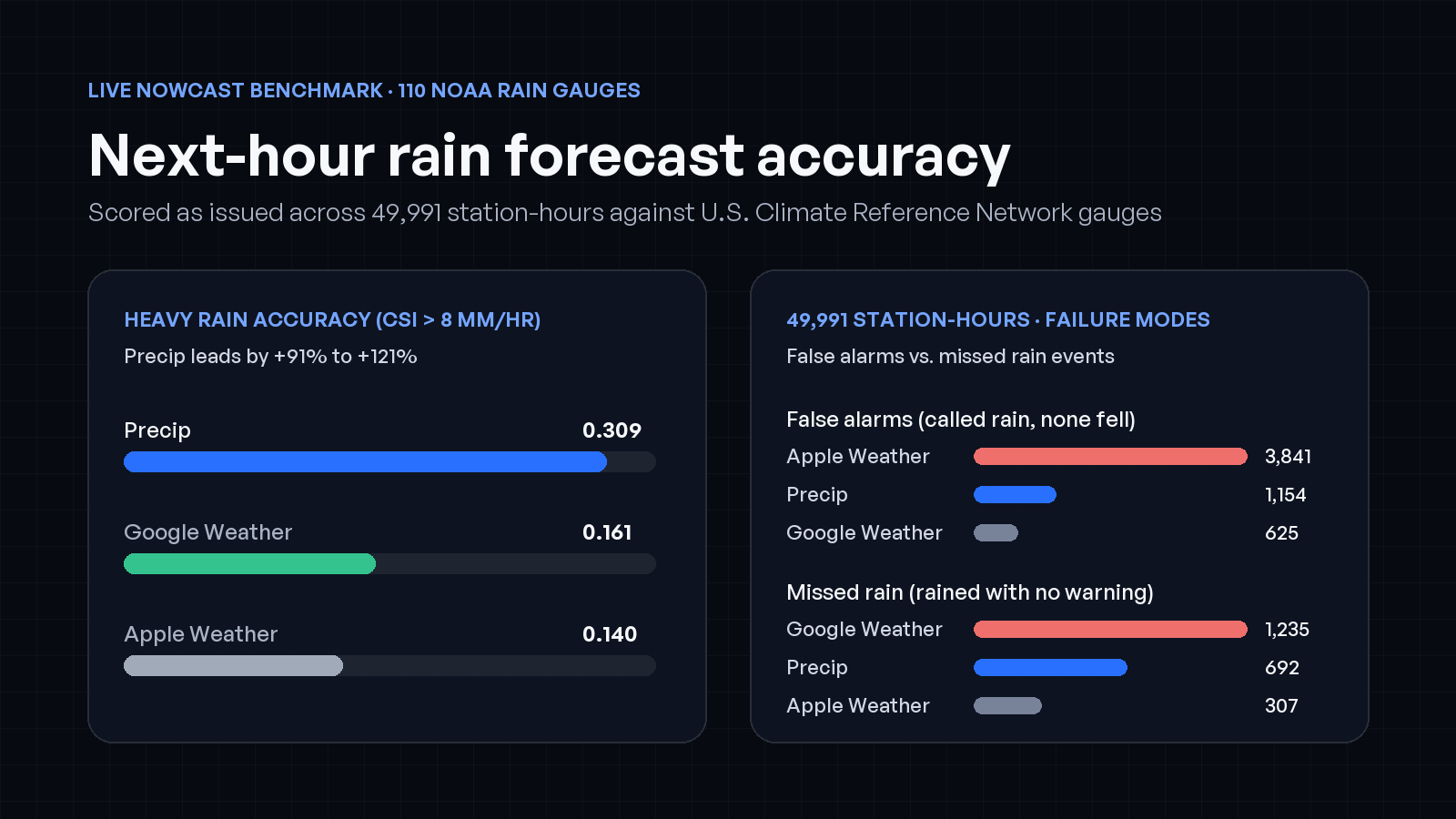
What happened when we tested next-hour rain forecasts from Apple Weather, Google Weather, Rainbow.ai, and Precip against 110 NOAA rain gauges.

From looking up at the sky to rain you can read at a glance
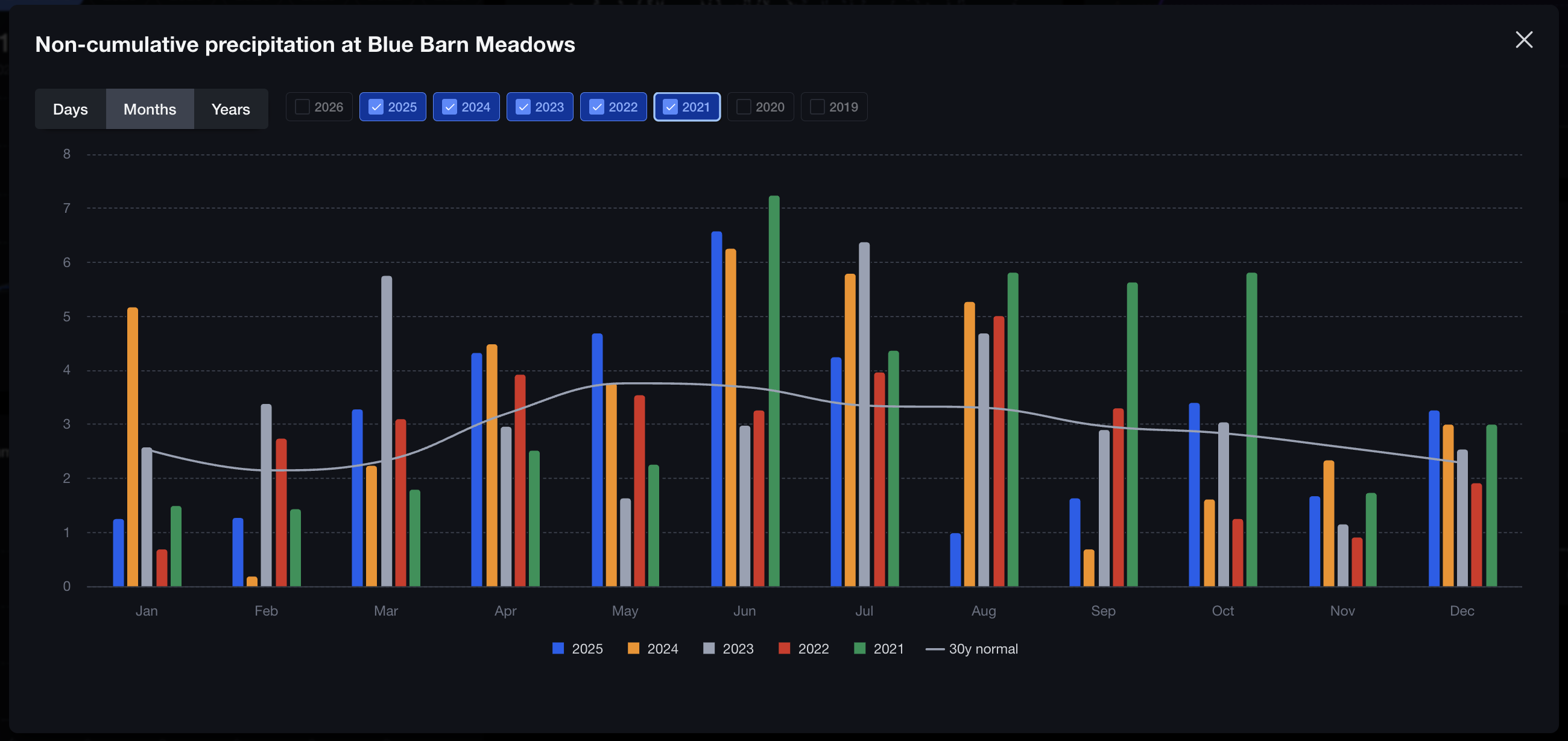
Compare precipitation patterns across time or locations
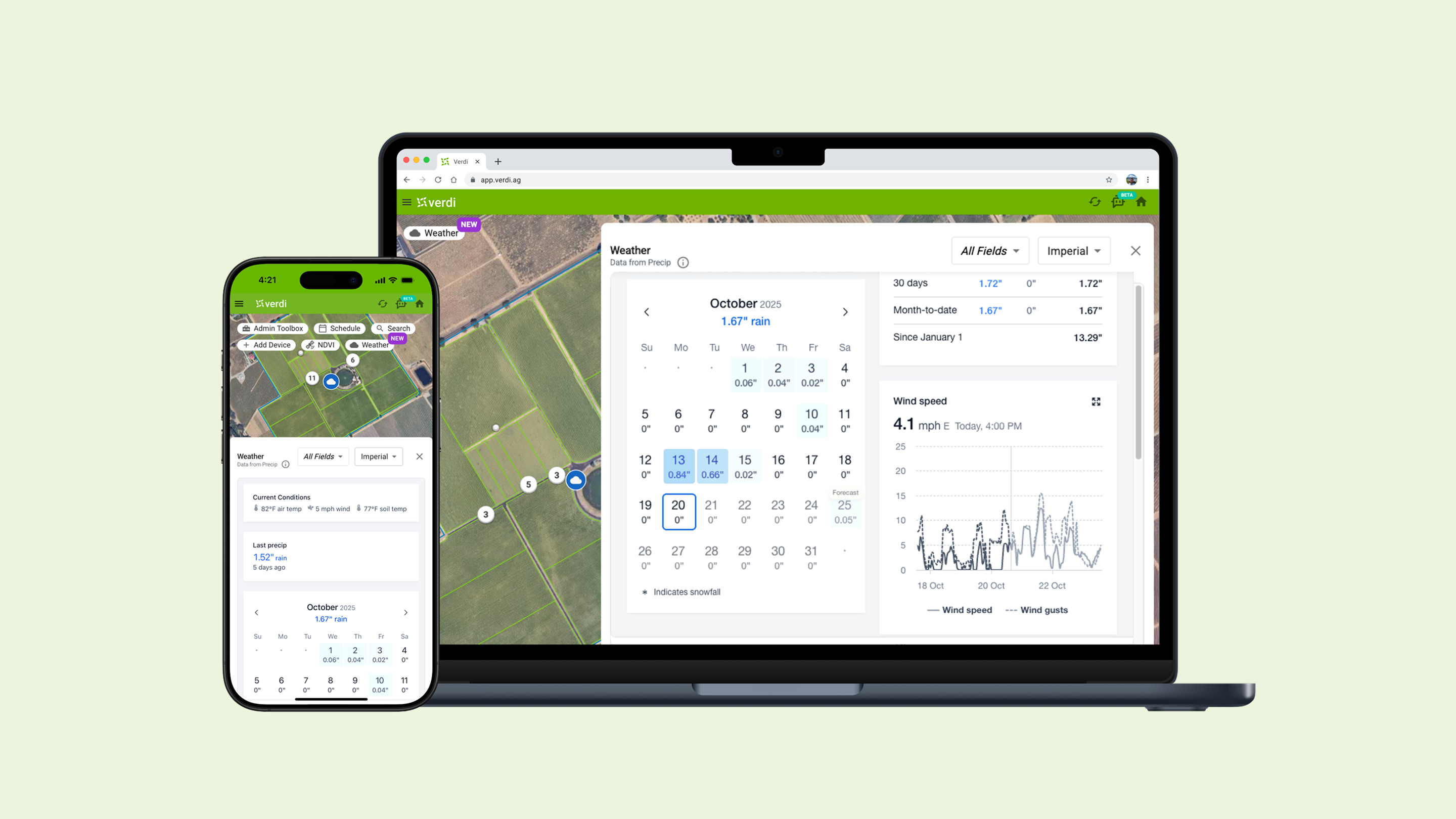
An example of how Precip makes it easy for software teams to deliver high-quality weather data with minimal effort.
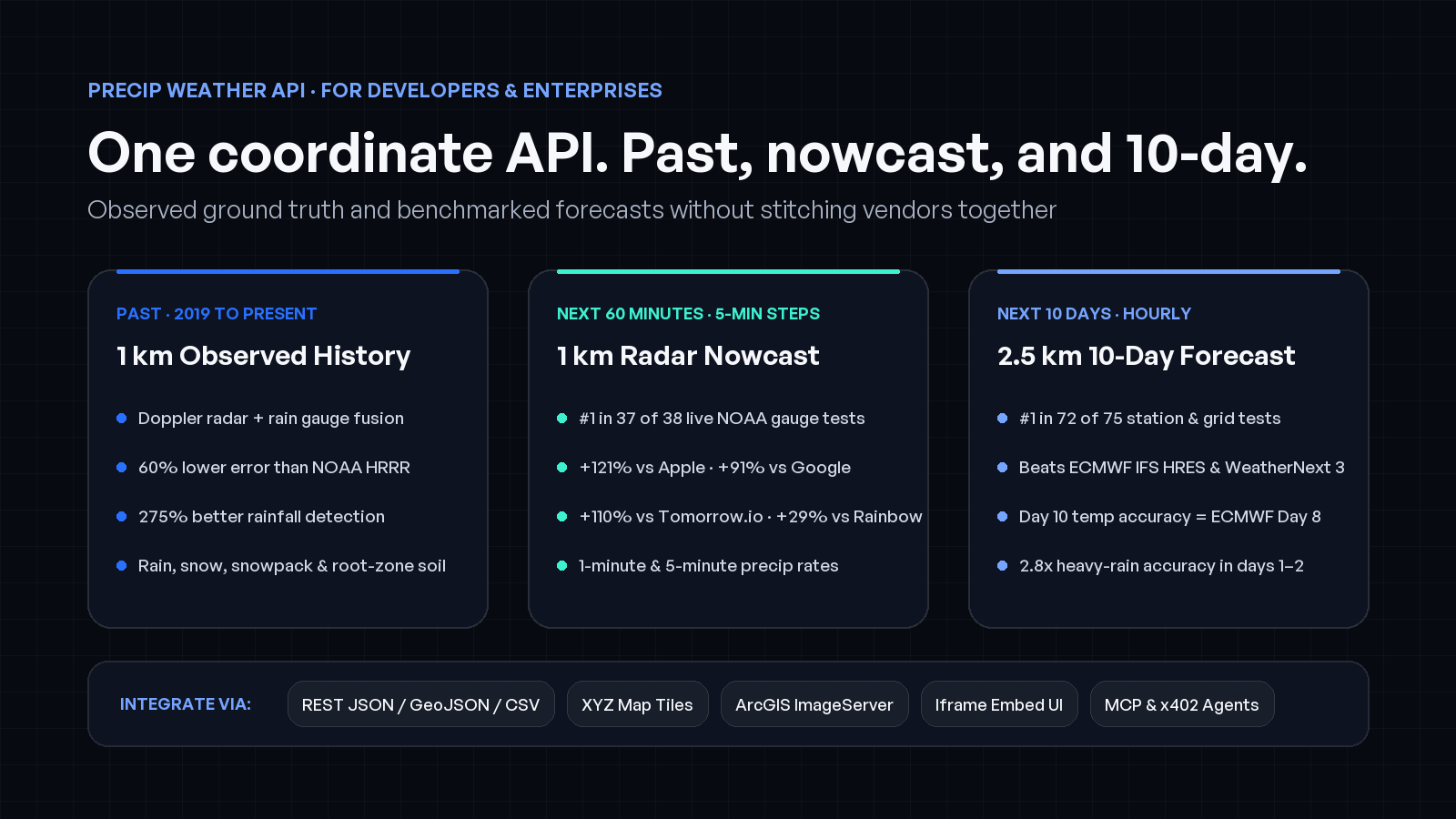
How Precip compares with legacy enterprise weather providers like IBM Environmental Intelligence Suite (The Weather Company), and why ground-truth observations matter in production.
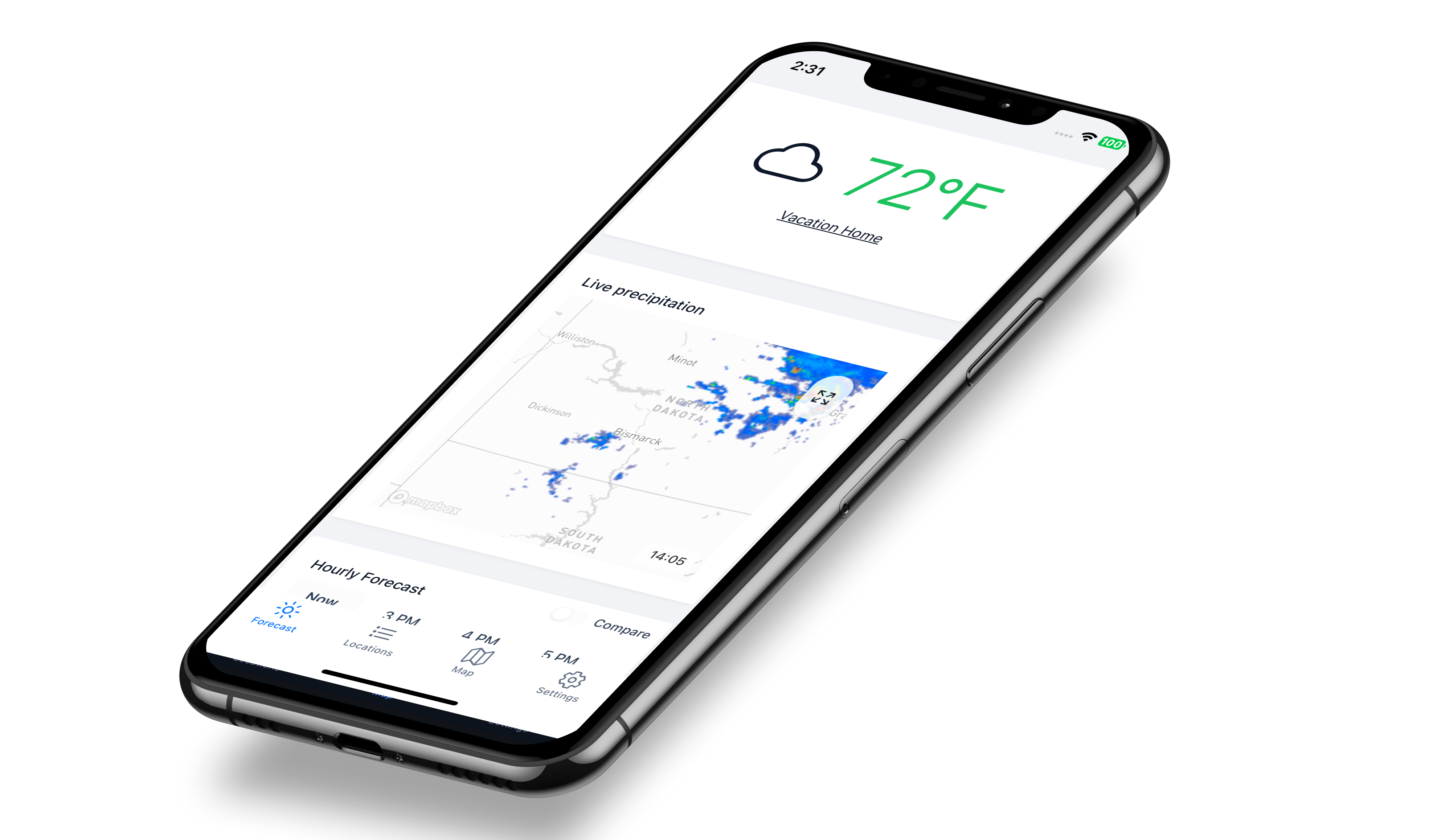
Our version of what a great forecast app should be
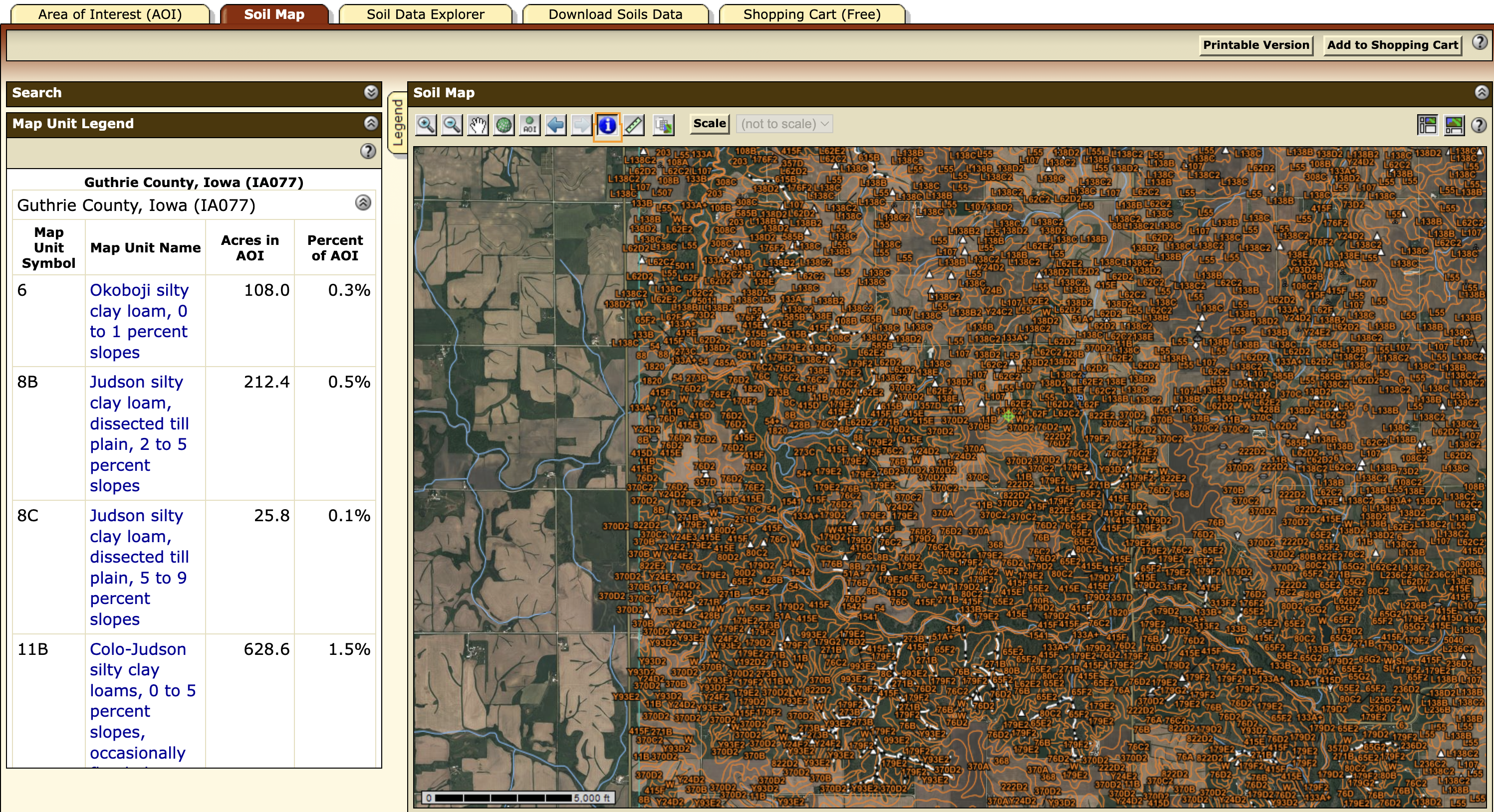
From the USDA Web Soil Survey to high-resolution soil maps: what goes into mapping soil texture and calculating soil moisture.
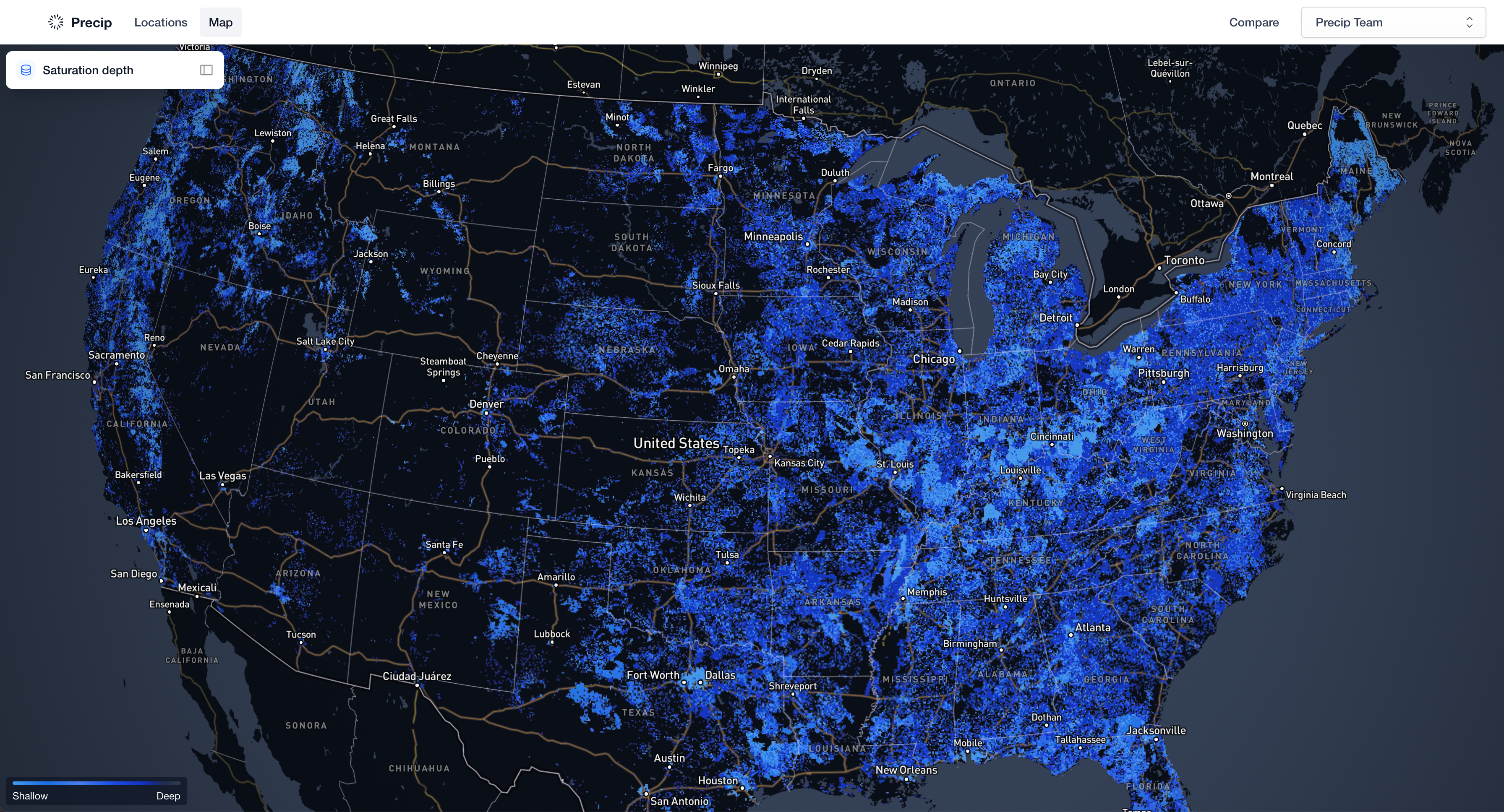
Discover how Precip's latest features help you better understand real world weather conditions
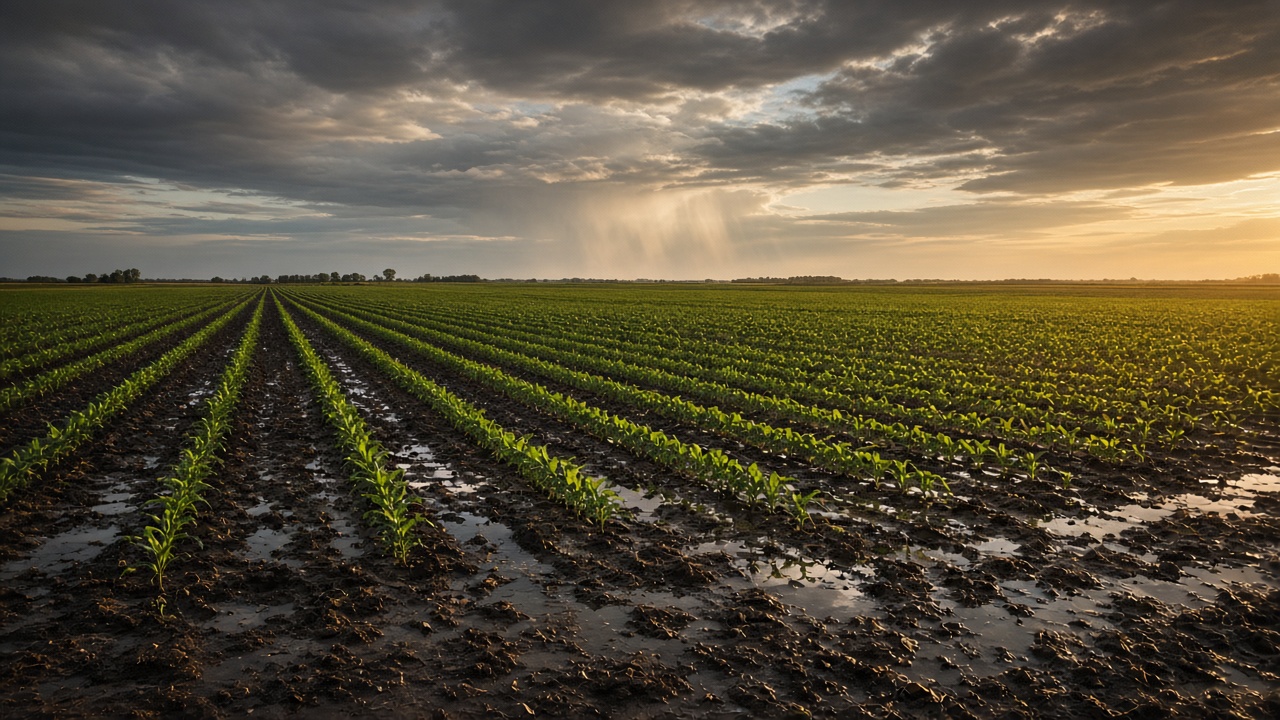
Crops respond to rain in the ground and warmth in the soil. Check both at the fields you actually farm.
Understanding the relationship between rain and snow conversion is helpful in the winter months when precipitation can fall in either form or both.
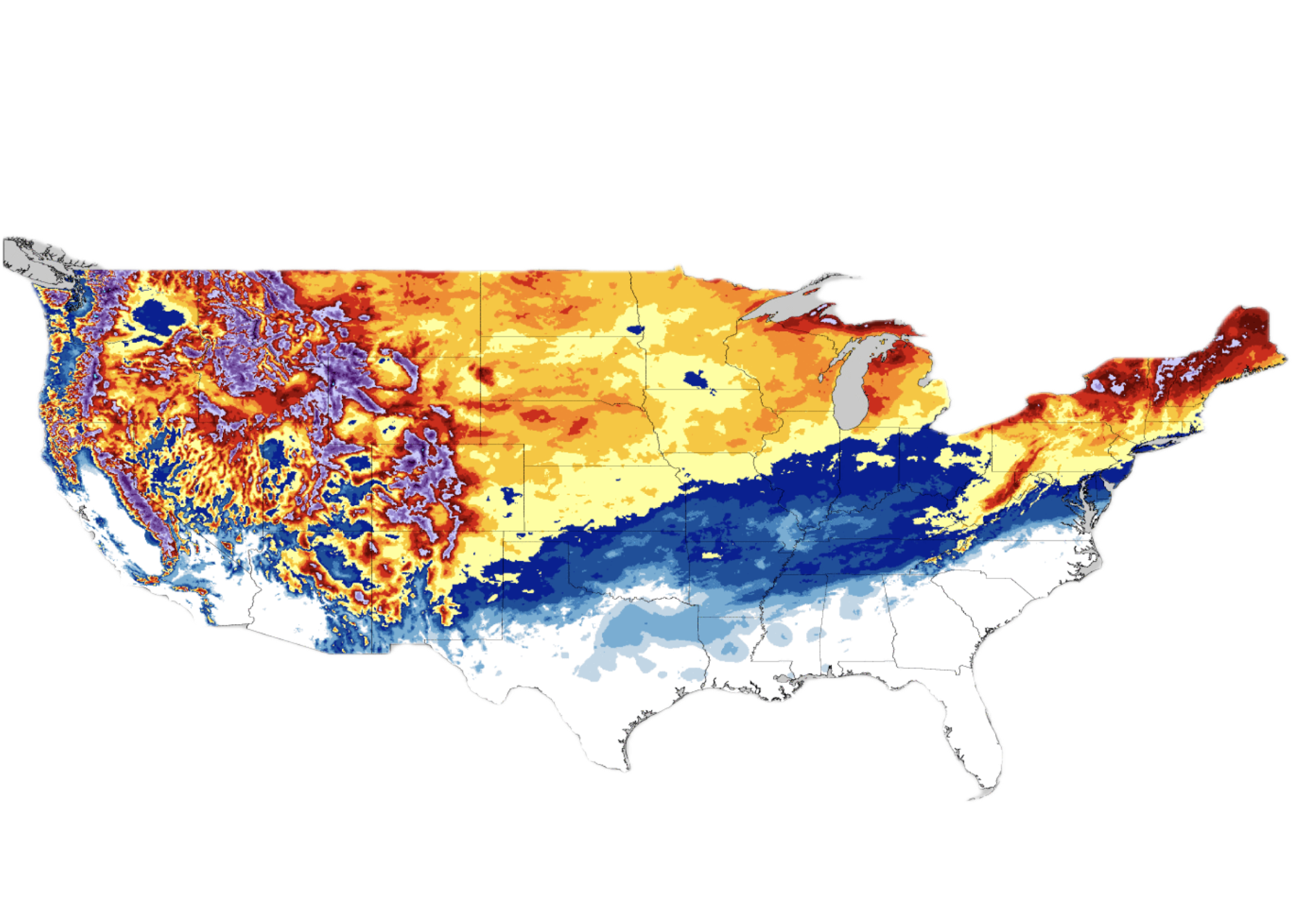
Snowfall can be measured using radar like rainfall, but with a few key differences. Modeling snow depth is an entirely different challenge.
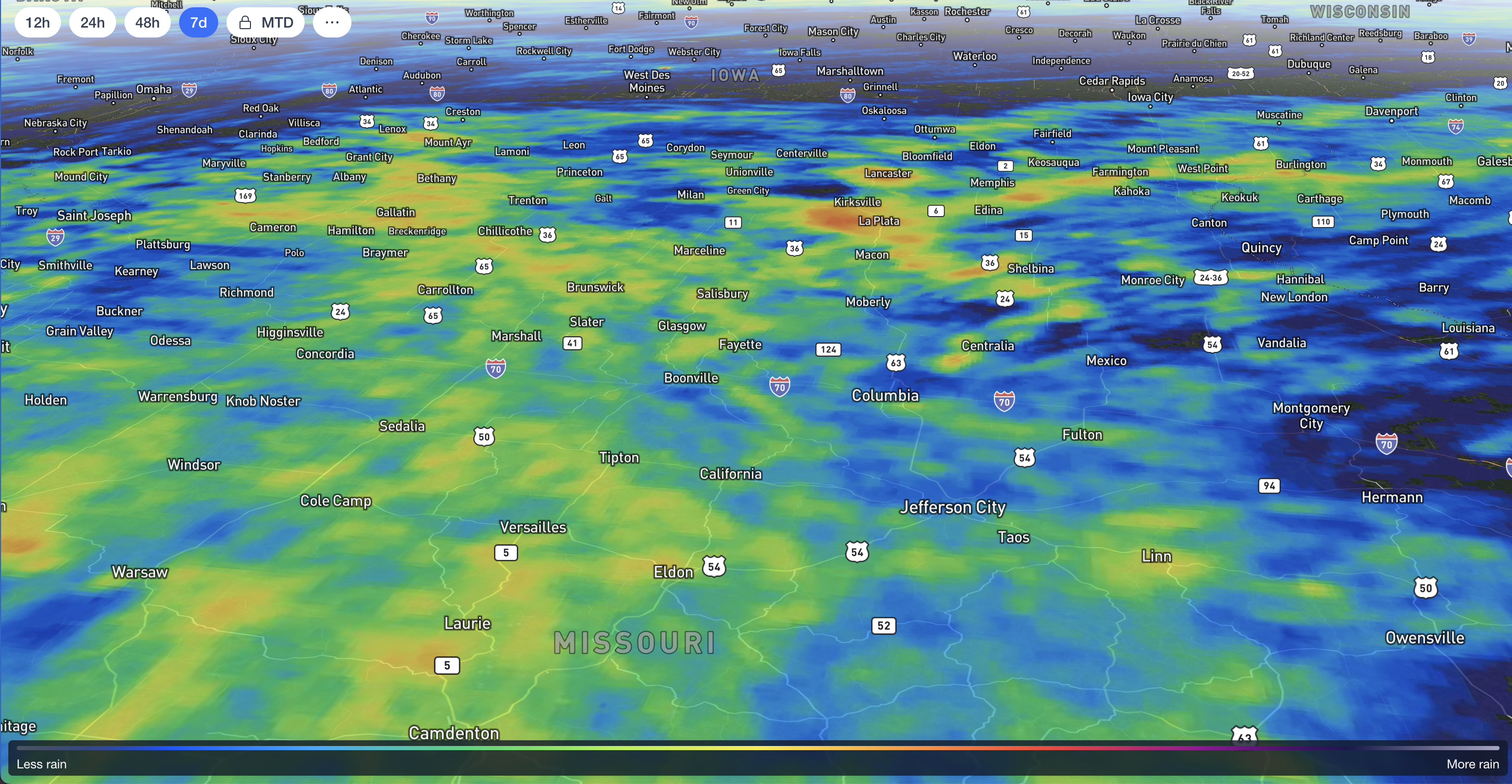
Three big improvements to how we visualize rainfall data on the map in Precip
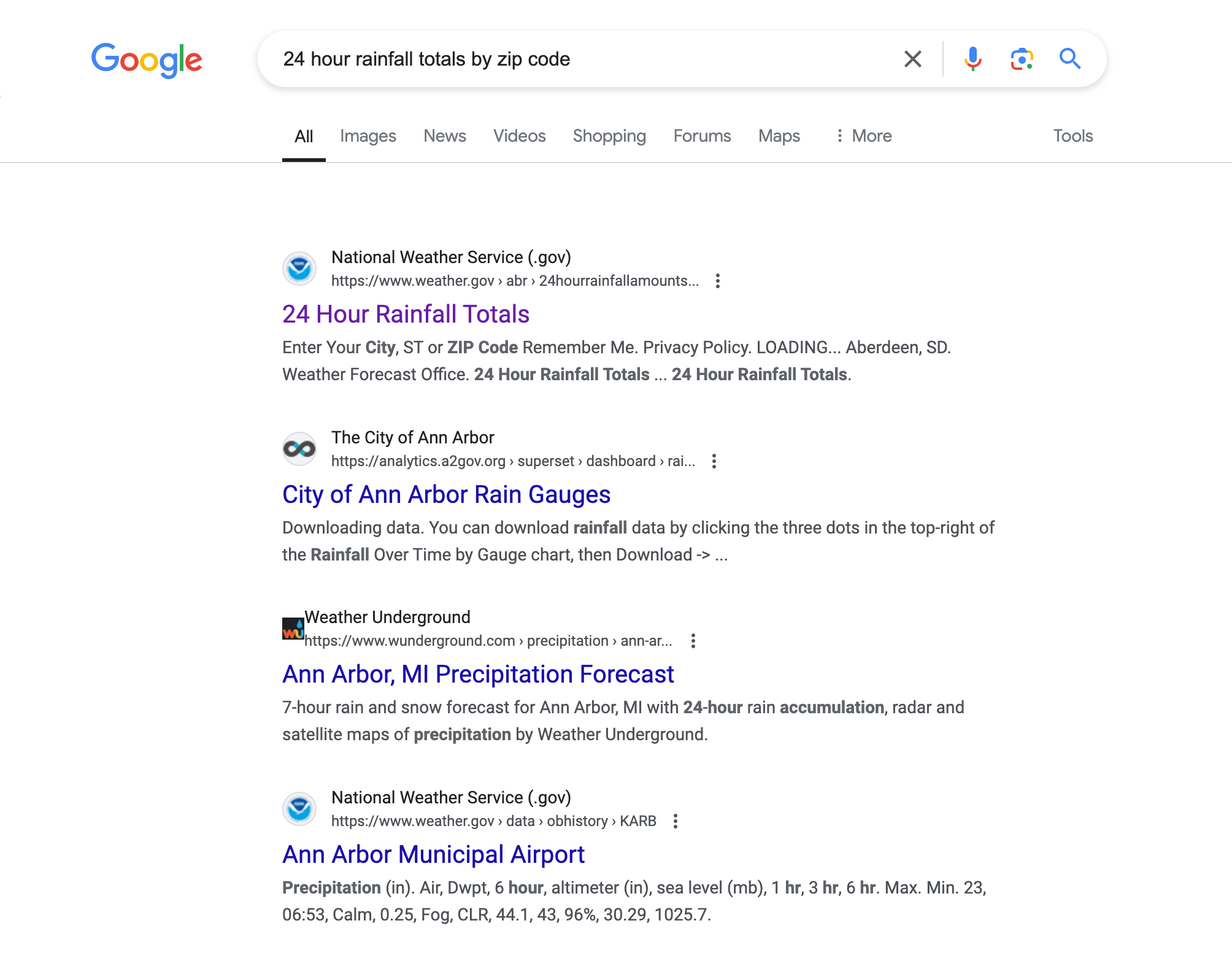
We made it easier to lookup 24 hour rainfall totals by zip code with a simple tool
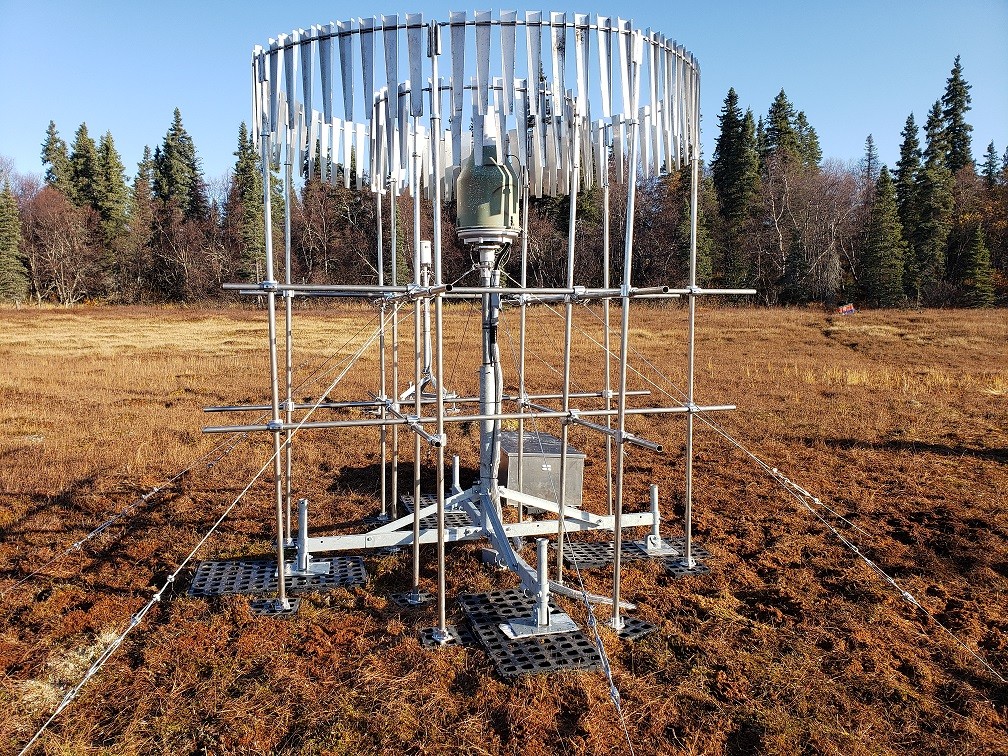
For every one mile per hour of wind speed, you can expect about a 1% loss in precipitation being caught in the gauge.

How our experiences at FarmLogs inspired us to build weather tools for farmers